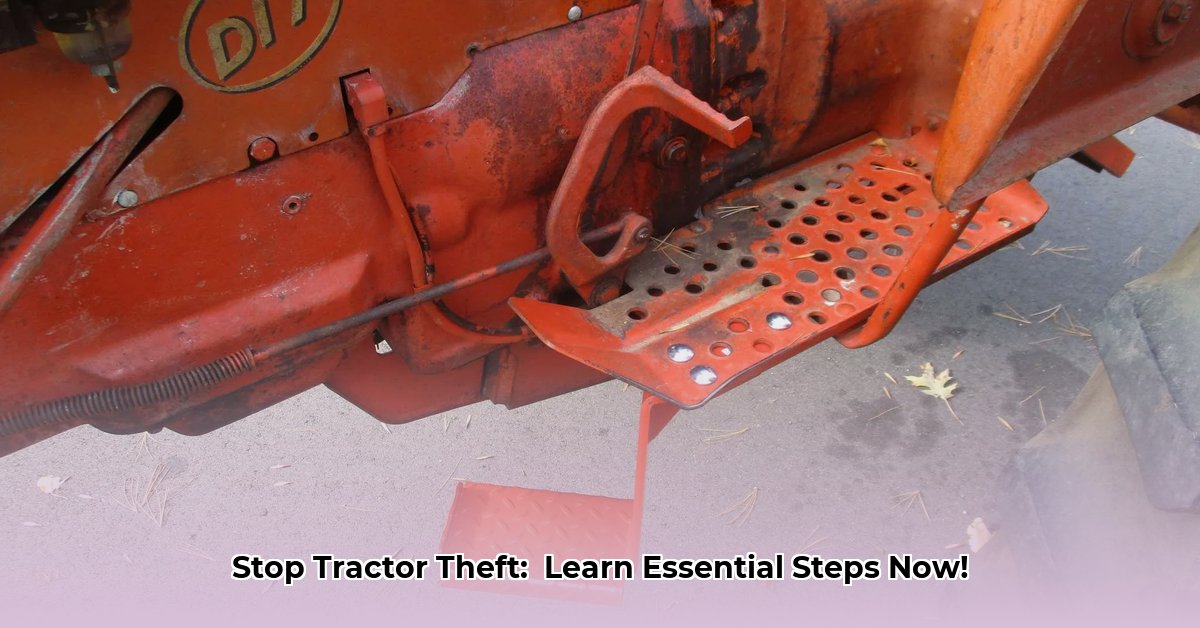
Tractor Steps: Your Farm's Unsung Safety Heroes
That sickening crunch of metal, the sudden jarring fall—a nightmare scenario for too many farmers. A simple misstep while working on a tractor can lead to serious injury, even death. But it doesn't have to be this way. This guide is your safety net, showing you how to choose, install, and maintain the right tractor steps and handrails. We'll break down the risks, compare different options (OEM vs. aftermarket), and provide clear, easy-to-follow instructions. We'll also discuss how you can advocate for better safety standards within the farming industry. Let's work together to make farms safer, one step at a time. For additional resources on tractor safety, check out this helpful guide.
Understanding the Risks: Why Safe Steps Matter
Think about how many times you climb on and off your tractor daily. Now, imagine those steps are worn, slippery, or missing. The likelihood of a fall increases exponentially. Farm accidents involving falls from equipment are alarmingly common. Statistics show a significant portion of these incidents are preventable with proper safety measures, including sturdy, well-maintained steps and handrails. It's not a matter of if an accident might happen, but when. Are you prepared to take that risk?
Choosing the Right Steps and Handrails: A Guide to Safe Climbing
Selecting the right tractor steps is paramount. It's not about aesthetics; it's about ensuring your safety and preventing potentially devastating falls.
OEM vs. Aftermarket: Weighing the Options
Original Equipment Manufacturer (OEM) Steps: These are designed specifically for your tractor model, guaranteeing a perfect fit and usually including a warranty. However, they're typically more expensive.
Aftermarket Steps: These offer more choices and often lower prices. However, quality varies greatly. Always choose reputable manufacturers with safety certifications and verify compatibility with your tractor.
| Feature | OEM Steps | Aftermarket Steps |
|---|---|---|
| Fit | Guaranteed perfect fit | May require adjustments or modifications |
| Warranty | Usually included | Often not included |
| Price | Generally higher | Generally lower |
| Quality | Typically high, consistent | Varies widely; careful selection needed |
Material Matters: Steel, Aluminum, and Your Farm's Needs
Steel: Incredibly strong and long-lasting, but prone to rust. Ideal for heavy-duty use.
Aluminum: Lighter and rust-resistant, but may not be as robust as steel. Best suited for less demanding environments.
Compatibility: A Perfect Fit Is Essential
Improperly fitted steps are far more dangerous than no steps at all. Ensure the steps are designed for your tractor's make, model, and year. Verify measurements and compatibility with mounting points. A slightly off-kilter fit can lead to instability and falls.
Installation: DIY or Professional Help?
While some installations are straightforward, incorrect installation compromises safety. Always follow manufacturer's instructions meticulously. For complex installations, consult a qualified mechanic.
Maintenance: Preventative Care Is Key
Regularly inspect steps for damage, wear, and tear. Address problems immediately. A quick inspection during routine maintenance prevents many accidents.
Advocating for Safety: Working Together for Change
Stronger safety standards are needed. Contact agricultural associations and regulatory bodies to encourage improved safety guidelines. Share this information and help create a safer environment for all farmers.
Resources and Further Information
Consult your tractor's owner's manual. Talk to trusted agricultural equipment suppliers. Research safety guidelines from regulatory organizations. Your safety is paramount – don't hesitate to ask questions.
Key Takeaways:
- Tractor safety is non-negotiable.
- Choosing the right steps and handrails prevents injuries and improves efficiency.
- Regular maintenance and inspections are critical.
- Advocate for improved safety standards.